
How Arrest Warrants Work in Lawrence County
Under Tennessee Rule of Criminal Procedure 4, a judge or magistrate can issue an arrest warrant or a summons on a complaint. The warrant authorizes law enforcement to take a person into custody under court process. A summons works differently. It simply commands an appearance. Either way, the issuing court controls the process; the officers who serve it do not. Start your Lawrence County warrant search at the court portal to find a likely file, then ask the issuing clerk or the Sheriff through official channels what status applies and what step comes next. The Sheriff posts no public warrant-name roster. Keep one caution in mind: a docket entry alone does not confirm that a warrant is still executable, so treat the portal as a first step rather than an answer.
Lawrence County Arrest Warrant Probable Cause
Every arrest warrant starts with a sworn complaint or affidavit laying out facts for a judge to weigh. Tennessee Rule 4 governs how a warrant or summons is issued, and a Tennessee Attorney General opinion addresses probable cause and the need to identify the offense. Those rules explain how a warrant begins. They will not tell you the current status of any individual case. In Lawrence County, Circuit Court serves as the felony trial court, while General Sessions handles misdemeanors, bond reviews, and felony preliminary hearings. A clerk or your attorney can tell you which court holds the file. The Sheriff serves process but has no say in whether the court issues or recalls a warrant. The Tennessee criminal rules index links Rule 4, and the Attorney General opinion covers the affidavit and probable-cause requirements.
Arrest Warrants: What They Contain
A warrant record can tie together the person, the alleged offense, the issuing judicial officer, and a case reference. The public Lawrence County portal shows only a slice of case data, not a full arrest-warrant package. There is no warrant-number field or active-status filter on the search screen. Do not borrow number formats from other jurisdictions.
| Complaint or affidavit | Facts presented for judicial review, subject to access limits. |
|---|---|
| Offense | The charged offense should be identified in the process. |
| Issuing court | Controls the court file and any recall or appearance question. |
| Case reference | Use the exact number on the official docket or clerk record. |
| Bond or release | Ask the issuing court or booking staff; no universal county schedule was found. |
| Service and return | Ask what the court’s record says; service does not end the underlying case. |
Lawrence County Arrest Warrant Search Limits
The county portal lets you search by Party Name, Case Year, Case Number, Court Type, and Case Type. Enter the person's name or a case reference, then pick Circuit Court or General Sessions with Criminal as the case type where it fits. Results cap at 2,500 rows, and once loaded you can sort by column or filter in real time. What a result shows is another matter. It may list a complaint, a hearing, a disposition, or a balance while saying nothing about current warrant status. A blank result can mean a city case, a new entry, a juvenile or sealed record, or simply a filter choice. The official case portal is one step in a Lawrence County warrant check, not the final word.
How Warrants Get Served in Lawrence County
Serving process and court orders, attending court, and running the jail all fall within the Sheriff's published duties. The Warrants Division FAQ is blunt about status questions: none are given by phone. You must come to the office with photo identification. The Sheriff sits at 240 W. Gaines Street, lower courthouse floor, NBU #8, Lawrenceburg, and the warrants clerk's number is 931-766-4165, with listed weekday hours of 8 a.m. to 4 p.m. Use the phone only to confirm routing or visit details. The jail's Booking FAQ sends warrant-status questions back to the Sheriff, so save yourself the transfer.
Lawrence County Arrest Warrant Service
The Lawrence County Detention Center page covers the jail side of the Sheriff's custody operation, after court process has run its course. It is not a warrant search or status tool. View the Sheriff's detention-center information for the jail's official contact routing.
Booking staff can answer bond or court-date questions, but they will not confirm whether a warrant exists. Do not confuse the agency that serves a warrant with the court that issued it. A clerk explains the docket; the Sheriff handles sheriff-held process; the jail handles booking. Related roles, but never interchangeable ones in Lawrence County.
Arrest Warrants, Summonses, and Bench Warrants
An arrest warrant begins with probable-cause review on a complaint. A summons just commands an appearance, without the same arrest authority. Bench warrants and FTA warrants usually trace back to a missed court date or a violated court order. Tennessee Rule 9 uses a capias upon indictment or presentment, so do not treat it as a label for every missed ticket in Lawrence County.
| Process | Typical trigger | Local question |
|---|---|---|
| Arrest warrant | Probable-cause finding on complaint or affidavit. | Which judge and court issued it? |
| Summons | Appearance command used in place of an arrest warrant. | What date and court are listed? |
| Bench or FTA | Missed appearance or court-compliance issue. | Which court set the original appearance? |
| Capias | Rule 9 indictment or presentment process. | Which Circuit Court file controls it? |
Lawrence County Federal Warrant Records
Federal warrants live outside the Lawrence County portal and its county clerk system. They answer to different offices. PACER serves as the official federal docket service. The U.S. District Court for the Middle District of Tennessee and the U.S. Marshals Service each run their own official channels. A county jail contact cannot certify federal status. Some federal complaints, indictments, and warrant papers sit under seal and never reach a public docket search. So a docket entry is not the whole warrant record. Take federal questions to the federal court, to counsel, or to the agency named in the case paperwork. PACER’s official fee page spells out the charges for federal docket access. Those fees apply only under PACER’s access rules, which set the threshold and the per-page caps.
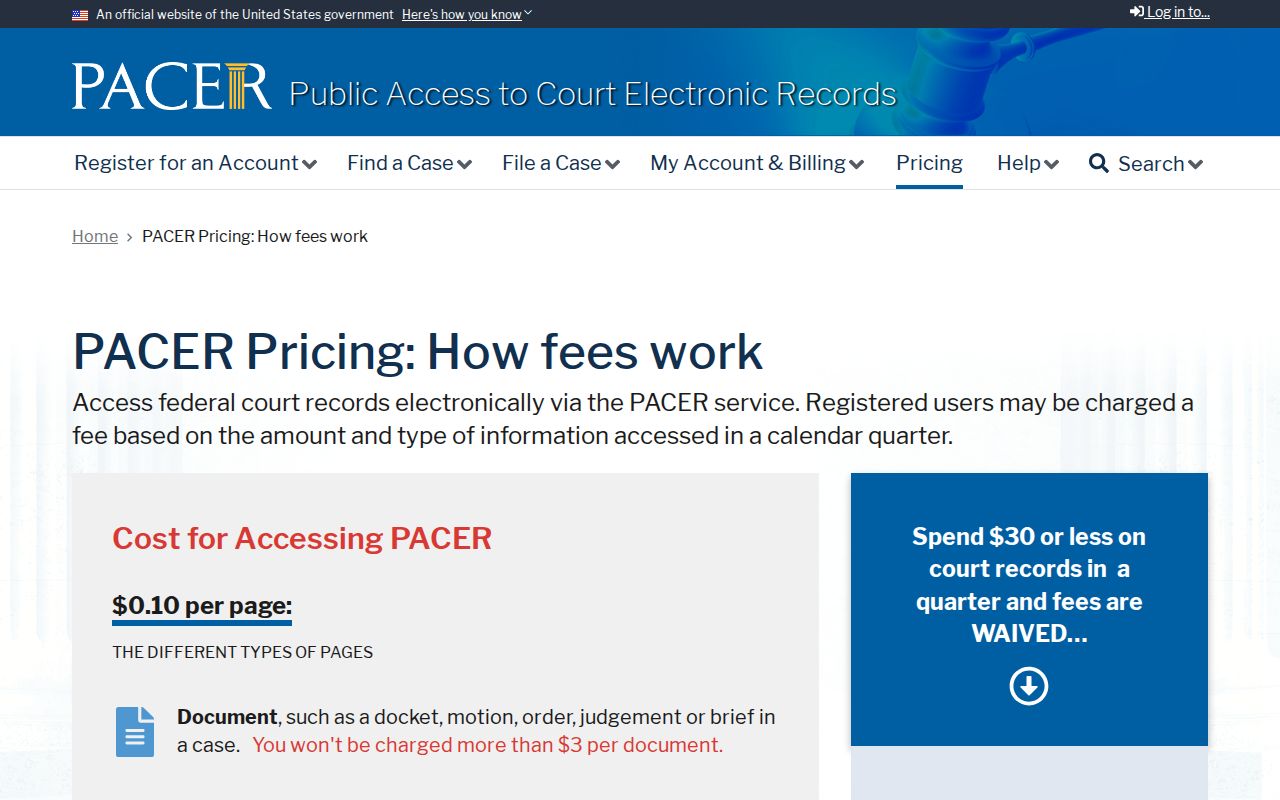
Federal docket costs and sealed-record rules are separate from Lawrence County clerk charges.
Handling an Arrest Warrant in Your Name
Think an arrest warrant carries your name? Start with the issuing court. Ask what the process actually is, whether an arrest warrant, a bench or FTA matter, a capias, a summons, a probation action, or a city case. Then ask what the court expects. It may want counsel, a motion, an appearance, a bond, or a surrender. Local sources promise no walk-in without booking. For sheriff-held status in Lawrence County, the FAQ tells you to visit the Warrants Division with photo ID. The jail can route bond and court-date questions. The municipal clerk handles a city ticket. Lawrence County sets no universal bond amount, payment method, or recall form.
Get case-specific advice before appearing. The published Sheriff process does not promise that a person will avoid arrest or booking.
Lawrence County Arrest Warrant Questions
When you call about a warrant, keep the questions tied to the file. Which court issued the process? What reference number applies? Must the person appear, and which office handles the next step? Ask what a recall, bond, or new date will produce in writing. A written order, receipt, or release matters. In Lawrence County, the Circuit Court Clerk’s office is the route for Circuit, General Sessions, and Juvenile record questions. Call details change. The county publishes conflicting General Sessions contacts, so confirm the right number through the Circuit Clerk before you travel. If Driver Services is involved, ask the court for its compliance document, then follow the state’s separate reinstatement steps. The clerk’s official page names the office behind those court divisions.
The clerk can route a record question; the issuing court controls its process.