
Lawrence County Warrant Checks
Work through the office that owns the matter. Lawrence County publishes no warrant-name search at the Sheriff, so start with the county case portal for docket context before turning to the issuing clerk or the Sheriff's in-person route. A city traffic ticket or ordinance citation stays with that city's own court. Gather the person's full legal name, date of birth, citation or case number, and likely court before anything else. Those details keep similar names apart. A warrant check works best when it stays on your own matter or a relative's status in Lawrence County. A result is a lead. It points to the next official question rather than settling warrant status.
- Read the citation, court notice, or bond paper and note the named court.
- Search the county portal by name or reference, choosing the likely court and Criminal case type.
- For a city ticket, contact Lawrenceburg, Loretto, St. Joseph, or Ethridge directly.
- For Sheriff-held process, appear with photo ID at the Sheriff’s Department. The FAQ says warrant status is not given by phone.
- Ask the issuing clerk or a lawyer what appearance, bond, reset, or written clearance is needed.
Lawrence County Warrant Portal Limits
The Lawrence County Online Court Records search indexes case information for Circuit Court, General Sessions, and Clerk and Master. Searches run by Party Name, with filters for Match all search terms, Case Year, Case Number, Court Type, and Case Type. A Turnstile challenge comes first. Then the Find Now button opens the results. No dedicated active-warrant search filter sits anywhere in the form, so Lawrence County warrant status still runs through the court that issued the process. A docket is context, not confirmation. The county's own court page sits behind the search tool, and View Lawrence County court information there covers portal access and routing for each court.
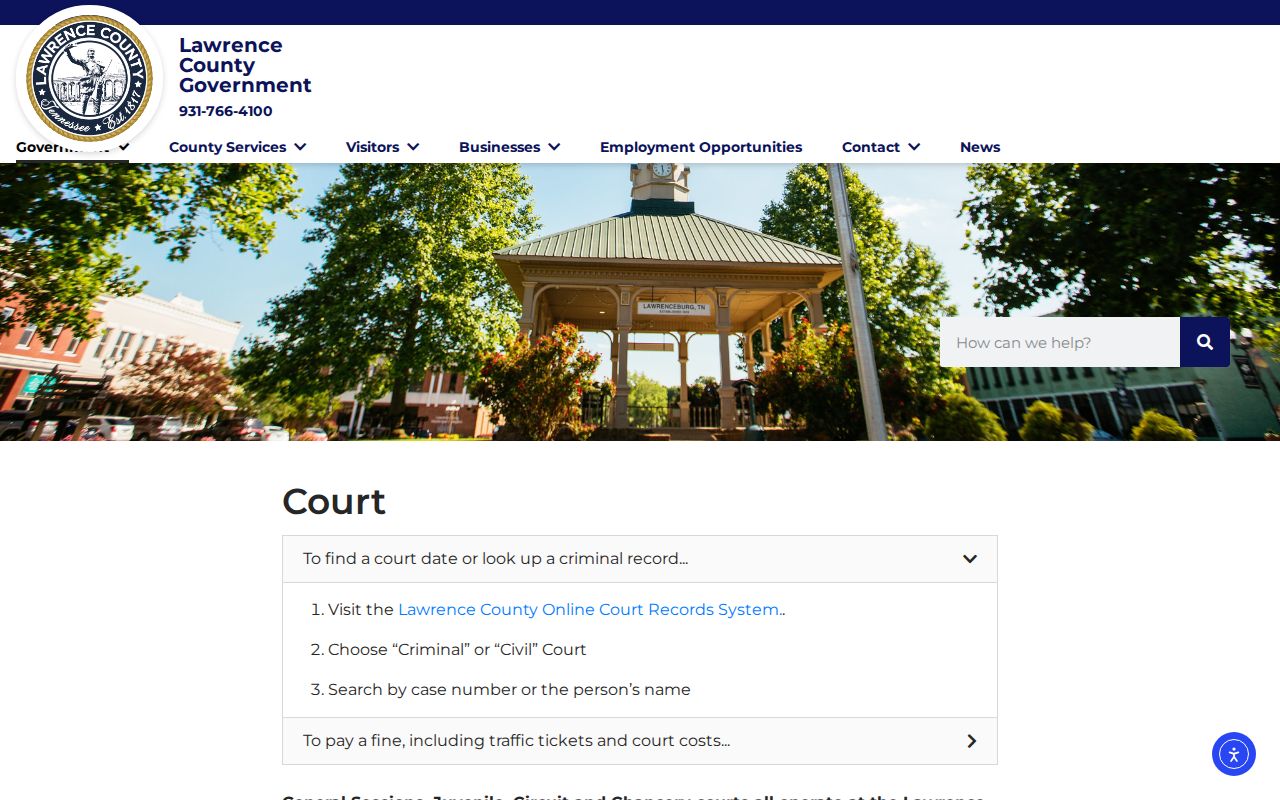
The Lawrence County case interface helps you find a file, not certify whether a warrant is currently active.
| Portal control | What it does |
|---|---|
| Party Name | Accepts a name or case reference; use one primary criterion. |
| Case Year / Case Number | Optional narrowing fields; the numeric portion after the final hyphen may be used in Case Number. |
| Court Type / Case Type | Choose Circuit, General Sessions, or Clerk and Master, then Criminal or Civil as relevant. |
| Search Help | Explains phrases, term matching, sorting, filters, and the 2,500-row result cap. |
Warrants in Lawrence County: The Main Types
Each paper does a different job. Tennessee Rule 4 covers an arrest warrant or a summons issued on a complaint. Rule 9 works differently. It brings a capias or summons after indictment or presentment, while a missed court date in Lawrence County can lead to bench or failure-to-appear process, and the issuing court decides what happens in each case.
| Process | How it arises | Where to start |
|---|---|---|
| Arrest warrant | Judicial review of a complaint or affidavit for probable cause. | Issuing court, Circuit Clerk, and Sheriff for service status. |
| Summons | A command to appear that may be used instead of an arrest warrant. | Court named on the notice. |
| Bench or FTA warrant | A missed appearance or court-order issue, depending on the case. | The court that set the appearance. |
| Capias | Rule 9 process upon indictment or presentment. | Circuit Court and the clerk maintaining that case. |
| Search warrant | Authorizes a search of a specified person, place, or property. | Not the same as an arrest-warrant name search. |
No Lawrence County Sheriff Warrant List
The Sheriff's FAQ sends residents nowhere online. It says warrant information is not released by phone. Anyone who believes a warrant exists should come to the Sheriff's Department and speak with the warrants clerk or an officer on duty. The jail runs a separate Booking FAQ. Detention staff there cannot provide warrant status. Lawrence County also publishes no active-warrant export, no public most-wanted roster, and no list update schedule. A blank result is not clearance. A city court, a new filing, restricted material, or a case outside your filters can explain it. For Sheriff-held status, the in-person route with photo ID is the answer in Lawrence County. Read the Sheriff's Warrants Division FAQ before picking a contact channel.
Lawrence County Warrant Records: What They Show
A court file connects a person, a case number, a court, and a set of events. The Lawrence County portal shows a subset. It offers no warrant number field, no bond field, and no active or cleared filter before a result is opened. So an online balance never proves the process resolved.
| Case reference | Use the exact number from the official portal or clerk. No local warrant-number pattern was confirmed. |
|---|---|
| Person and case | Name, case year, court office, and criminal or civil case type can help locate a docket. |
| Process | A file may contain a complaint, summons, warrant, capias, or later court event. |
| Bond or balance | Ask the court what a listed amount means; it is not a complete bond schedule. |
| Status | The issuing court or authorized Sheriff channel must confirm recall, service, or other current status. |
- Recall
- The issuing court withdraws the process.
- Quash
- The court sets the process aside.
- FTA
- Failure to appear when ordered.
- Capias
- Tennessee Rule 9 process upon indictment or presentment.
Where Lawrence County Keeps Warrants
The Circuit Court Clerk keeps Lawrence County's Circuit, General Sessions, and Juvenile dockets. The Sheriff serves court process and runs the jail. It does not issue every warrant. City files stay with municipal clerks. Chancery matters route to the Clerk and Master, while the County Clerk handles a different set of county services. Official pages disagree on General Sessions judge and contact details. That makes the Clerk's office the steadier first stop for routing in Lawrence County. Verify the current court number before travel, and remember that the portal's Clerk and Master option does not turn Chancery or civil records into a criminal warrant search.
Lawrence County Warrants: Who Issues, Who Serves
Judges issue the process. Authorized judicial officers can too, under the court rules. The Lawrence County Sheriff then attends court, serves orders, and runs the detention center. Its channel answers a question about sheriff-held process, while the clerk's docket search helps identify a court file.
Lawrence County Sheriff’s Warrants Division
Lawrence County Courthouse, lower floor, NBU #8
240 W. Gaines Street, Lawrenceburg, TN 38464
931-766-4165
The phone line handles routing and process questions. Staff in Lawrence County give no warrant status over the phone.
Lawrenceburg Warrants Stay With City Court
A Lawrenceburg citation stays with city court. The clerk sits inside the Police Department. That court hears traffic citations, parking tickets, and city ordinances, with sessions on the first, second, and third Fridays beginning at 8 a.m. Confirm the current schedule before going. Loretto runs its court through City Hall. Its FAQ lists the first Tuesday at 4 p.m. and asks callers to confirm first. St. Joseph and Ethridge publish municipal contact and code sources. None of the four cities offers a public warrant-name lookup, so a warrant search in Lawrence County cannot lean on one. The county portal and the Sheriff's office in Lawrence County cannot be assumed to hold every municipal citation. Hand the city clerk the citation reference and ask what appearance or clearance instruction applies.
Handling a Lawrence County Warrant
Start by naming the court that issued the Lawrence County warrant. Ask what that court wants from you. The answer varies: a new hearing date, a scheduled appearance, a motion filed by an attorney, a bond, an approved payment, or a formal surrender. The Sheriff posts no walk-in guarantee that booking is skipped, and Lawrence County publishes no recall form or bond schedule. Ask for the case number too, and confirm whether the warrant is still active.
Get details on how the court documents a recall or compliance. Keep every order, receipt, and release paper you receive. The jail can explain booking, bond amounts, and court dates, but it cannot confirm warrant status. Before you travel to surrender or face arrest, a Tennessee lawyer should review your situation.
Important: Confirm the issuing court’s instructions first; the published Sheriff procedure requires an in-person inquiry and does not promise release without booking.
Warrant Record Access Under Tennessee Law
Tennessee law shapes what warrant records you can see. The Tennessee Public Records Act opens state, county, and municipal records to Tennessee citizens, with exceptions. Court records follow Tennessee Supreme Court Rule 34. Sealed files, juvenile matters, and active investigations may be withheld or limited. A good request names the office, the case or citation if known, the record you want, and a date span. The office need not build a new warrant list from scattered records.
Key rules:
Tenn. Code Ann. § 10-7-503 sets the public-record access framework and request specificity.
Tenn. Code Ann. § 10-7-504 contains confidentiality exceptions.
Tennessee Supreme Court Rule 34 governs access to court records.
Juvenile Rule 114 limits access to some juvenile proceedings.
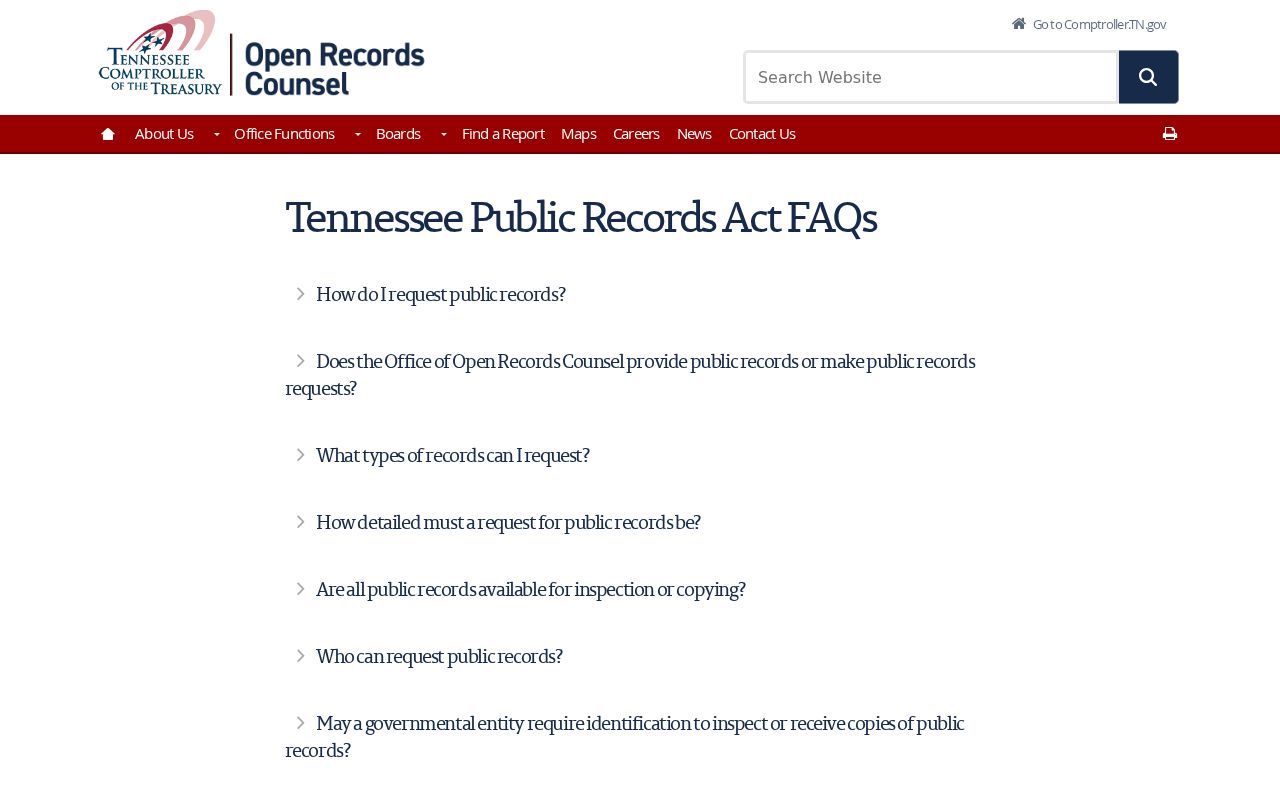
The Comptroller's guide walks through Tennessee public-record requests, including county and municipal records. It shows how to frame a request with specificity. Read the Tennessee Public Records Act guidance.
The AOC’s Rule 34 page describes public access to court records.
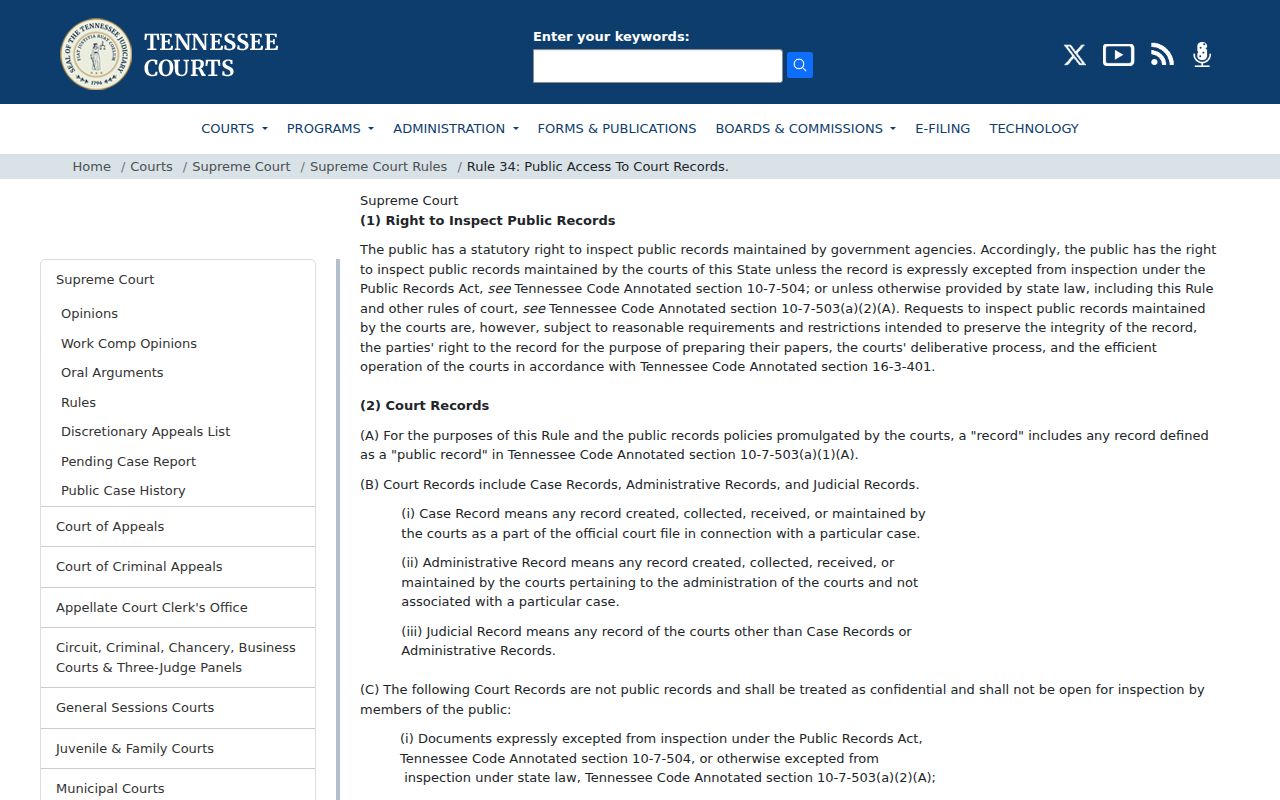
Access remains subject to the rule’s limits and other confidentiality laws.
Driver Clearance Follows Court Compliance
Tennessee offers no public statewide warrant search by name. The state's Driver Financial Responsibility program can act on court-reported failures to appear. But that program affects driver privileges, not warrant status. Fix the court matter in Lawrence County first, then get the clearance document from that court. Follow the current Driver Services instructions after that.
State support material cites a 30-day response period and a $65 reinstatement fee in one situation. Those are not local warrant fees. Confirm the rule fits your notice and verify the current state fee before paying. Tennessee Driver Services reinstatement information covers online, in-person, and mail routes.
City Warrant Records in Lawrence County
Four incorporated places appear in the 2020 Census and state population sources. Each city court handles its own traffic, citation, and ordinance matters. The cards below point to the right starting office for each city. None of them promises a public city warrant roster exists in Lawrence County.
Lawrenceburg Warrants
Population 11,633 in 2020; city traffic and ordinance matters route through Police Department City Court.
Loretto Warrants
Population 1,739 in 2020; City Court meets at City Hall, with date confirmation by phone.
St. Joseph Warrants
Population 790 in 2020; use the city’s municipal contact and code sources.
Ethridge Warrants
Population 537 in 2020; direct town contact is the documented public route.
No Local Warrant Amnesty Was Located
No Lawrence County office runs a warrant amnesty day, safe-surrender program, or county most-wanted roster. The Sheriff publishes no public active-warrant list. A confidential tip line does exist. Treat it as a tip line only, not a warrant lookup or a status channel.
Federal cases work differently. County records will not reach a federal docket. PACER provides that docket access, though sealed federal warrant material may stay out of view. For county matters, use the portal for context, call the issuing clerk, and follow the Sheriff's published in-person procedure for sheriff-held warrant status in Lawrence County.